VFW's Tanner Port: Why Privatizing the VA Isn't the Conservative Position



 RSS Feed
Key Takeaways
- Tanner Port, legislative chairman of the VFW Department of North Carolina, argues that privatizing the VA contradicts conservative intellectual traditions from Edmund Burke to Russell Kirk.
- National defense and caring for veterans are sovereign duties of the state, and privatization risks ballooning costs without improving health care quality.
- The Take Care of America's Veterans Act and the ACCESS Act stalled in Congress because projected funding mechanisms, such as VA rating rule changes, failed to materialize.
- The VFW strongly opposes funding new veteran benefits by breaking into VA disability dollars, warning it harms future generations of injured service members.
- North Carolina's legislation allowing for-profit claims help and federal court rulings against Veterans Guardian highlight ongoing battles over unaccredited claims operations.
- Veterans seeking claims assistance should utilize free, accredited help through Veterans Service Organizations rather than for-profit companies charging exorbitant fees.
Frequently Asked Questions
Why does Tanner Port argue that privatizing the VA is not a conservative position?
Drawing on conservative thinkers like Edmund Burke and Russell Kirk, Tanner argues that national defense and caring for the people who provide it are fundamental responsibilities of the state, not the free market.
What is the Take Care of America's Veterans Act and why did it stall?
The package aimed to fund popular veteran bills like the Major Richard Star Act by relying on projected VA rating rule changes for sleep apnea and tinnitus, but the vote fell apart when those rule changes were not guaranteed by the VA secretary.
What is the Major Richard Star Act?
The Major Richard Star Act seeks to eliminate the offset between military retirement pay and VA disability compensation, allowing medically retired combat veterans to receive both checks fully.
Where can veterans find free, accredited help with VA claims?
Veterans and Fort Bragg families can access free, accredited claims assistance through established Veterans Service Organizations like the VFW rather than unaccredited for-profit companies.
Peter: Welcome back to the Carolina Cabinet. I'm Peter Pappas and sitting across from me again is Tanner Port, legislative chairman of the VFW of North Carolina. Tanner just wrote a piece called The Conservative Case for Saving the VA. His argument was privatizing healthcare as being sold as the conservative position, and he says it's the opposite. We'll get into that and into the for profit claims companies he's been fighting right here in North Carolina. But first, Tanner, good to have you back in the studio. it's it's awesome to be back. And nice nice cool fall weather. So it's very, very cool. Finally getting a new season here. Well, just be prepared. My co host is not gonna like the cold when she gets here. So since the last time you were in the chair, what's the best part of your fall outside of the work so far? it's f you know, playoff football. Okay. at the high school level. So it's always fun to to be able to go out and watch those games. There's a couple of good teams up in Johnston County. I kinda move around the state a little bit and then yeah, really just watching fall sports in general, obviously. Hopefully we get a major league team here. Hopefully. Yeah. Yeah. I am pro that. Okay. For sure. Major league, what are we major league baseballers and movement to get them up to rallies, which that would be awesome. Okay. Well, I you sent me that article. Now I know it wasn't when did you write that article that you sent me? right a probably around the time I saw you last. either right before or right after. And that was back on September twenty first, you were here. So it was late months. Yeah, late summer, just for some of the the rumblings I'd been seeing and and some of the leading conservative influencers and some of the talking points. And I just felt obligated to, you know, speak my piece. I'm a I'm a PhD student at or candidate I should say at Liberty okay university and have just done a significant amount of research on intellectual conservative thought, especially American conservative thought. And just what I was reading, I was like, okay, I didn't want to be antagonistic, but I felt like it needed to be grounded in like a intellectual conservative history, and not just vibes. Right. Right. And so that's kind of what I was like, okay, let me see if I put this out there. look, I have to say first of all, I didn't know you were a writer. I was I was like, wow, this is very 'cause I thought, okay, I'm gonna read some article for five minutes and be done. That was like an eighteen minute read, sir. Sorry. And I read I read it a pr pretty quick. I'm not a s I don't I don't move my mouth when I sound out words. So I'm a pretty quick reader, but no, it was a it was very it was very thorough. And I was like, I didn't know he fancies himself a writer. But who did you so who did you th who what was your audience? Who did you write it for? it was it was written primarily for I mean, I I'm decently active on Twitter. and some on Facebook. And I it was on the heels and and shout out to Margot out west. one of her who I have a lot of respect for. you know, infl I'm you're probably familiar with her, but you know, and so Margot's got in and it's a conversation I had with Don Brown too, yeah, about we just want to give him a card and let him go. And I and I appreciate that viewpoint. I I sincerely do. but I just felt instead of being like, Well, that ain't the way, I felt obligated to at least offer something to, you know, some type of literature to the debate that could ground it and being like, This isn't the way. and give, you know, other, you know, conservative veterans like myself the opportunity to have something to be able to kind of be like, I'm not sure if that's the best idea, guys. And then So when you say get the card and go on, are you're talking about the privatization? Or i is it privatization or is it just opening the access to my private doc? I see it as privatization. Okay. there's I don't think Mar there's absolutely conservative influencers that are on the record of saying that we should just get rid of the VA. and that there's no there's no need for that type of organization, you know, that it's ineffective and, you know, wasteful and things like that. to be clear, you'll never hear me say that we there's the VA does not need a lot of reform and significant reform. but ultimately the the reading Russell Kirk changed my outlook on a lot of things. which is a if you read the article, it is absolutely what I I hark back to. and I wasn't really introduced to him until like my graduate studies. And just what you know, some of the things he was saying about being prudent, about, you know, the the community, right, I think could be misinterpreted as, well, it should just be privatized. And but when you follow that back, even going back to Burke and Adam Smith, no national defense is like one of the very few things, that is absolutely sovereign to the state. And taking care of veterans, especially in the Western kind of conservatism is absolutely a part of the cost of going to war. but I I do understand how people got to the we should just wipe all this out and just, you know, put the essentially still this is my issue with it putting the taxpayer on the hook for what's going to be a more ballooning cost anyway. and and there's studies out there showing duck will not deliver any better care. and then makes it a political football in and on itself. And so I'm I'm cautiously optimistic we'll be able to reframe this debate internally you know conservatives can and then have something to offer at the national level. But well I have to admit personally as a civilian looking in you know, you see the things about v government waste and the VA and how it's so Byzantine in some of its operations and how soldiers that have given their all, you know, and come back missing limbs have trouble getting appointments in a year's time. So when I hear so most of our audience is conservative, I mean a lot of them hear, you know, save the VA and they think that is backwards. So in sixty seconds or less, what do you think? Can you make the case that you think that's backwards? Yeah, I think that you absolutely have to first understand that it is the cost of war. Right. So this regard this requires and conservatives should be are are pretty prominent of this to be an engaged population that understands and are elected of representatives, absolutely vote in accordance with our, you know, strategic interests to send us to war. I think that the majority of us can admit that that did not take place over the last twenty years, if not more, right? But that bill, that check was written. to then come back right and the and service members raise their right hand and and sign a contract ex you know, saying these things will be taken care of, to pull the rug out from the from under them and just imagine how your health insurance works now to then group them, which is going to be the highest pull ever. Right. if if the the sovereign debt and the sovereign like responsibility of the country to take care of, you know, its national defense and by extension service members doesn't get you. Then the cost should right. Because there's there is no way, shape, or form that out onto the market, if we send our service members who who were not cheap to take care of, that they're they're all that the market is going to make it somehow less expensive. I think they've shown it across the board. You see it in how the privatization of housing on post. There's your test case. Go look, I mean, how many task forces do we have? So what's happened with privatization of you take Corvius, you look at all the black mold we're having. The Secretary of War has had to establish three task force in the last year to try to get a grip on barracks and quality of life issues. it's just we routinely fail at this, but that's not the government failing, that's private industry failing. and that's because it's wrapped up into the sovereign debt and and this is the part where privatization understands it's not really a market, right? It is it is th they're gonna bid the lowest bidder is going to win and then they're going to balloon the cost on you because it's so much higher. And then the ultimate output of that is that your service members receive lower quality of life, which then means that we don't get as many of them or they leave. So so what's one sentence from your article that you would want a legislator, Republican or Democrat, to remember? Yeah. I think you got to modernize it, hold it accountable, make it lean, honest and fast, and then pay what we owe in full. the way we promised when we asked him to go. Okay. All right, great. Well, yeah, I was certainly I was very impressed with your writing, so I I I'll quit complimenting on that. But you know, I you did I was really I was like, wow, this is a really in depth and very detailed. I learned a lot. now, this is something I think that you definitely wanted to talk about. is it the Take Care of Americans Veterans Act, which is house ninety two thirty seven, Senate forty seven forty four. 60 plus bills, including Major Richard Starr, Love Lives On, inside it the Veterans Access Act. Let's see, writes communicate community care access standards into law for eight years, then requires Congress to change them. great. But the C VA and the AFP endorse this package. So yeah. You start with Adam Smith, not the usual source for an argument against privatizing something. What does Smith say that the free market crowd misses? I just think It as far as far as this instance, with free market capitalism still harking back to this is a sovereign debt thing. What I think the problem we have in this is w we are fundamentally changed the TC of A fundamentally changes how Congress does business with the VA. So the biggest proponent the reason this came about, right, is the major Richard Starr Act has been trying to get passed since twenty twenty one. It is one of the most co sponsored bills ever, right? And then but Much like North Carolina guys are are used to, right? With property taxes and and veterans here is that it just wasn't quite we didn't have the money to do it, right? And the CBO scored it originally pretty high, around fifty nine billion. Now they're down to they've re-scored it, it's down to twelve billion. And so you fast forward, and it was essentially T C of A is born out of an accounting trick. Okay. Right. And so what what the thought was is that they will take the they're gonna Codify rules that the VA was going to make on sleep apnea and tinnitus. Right. And they were going to say, hey, okay, those rules are coming. Right. And that's what everybody kept saying. Those rules are coming. I can I'll get into that story later. and they're gonna happen by the end of the fiscal year. Mm-hmm. All right, fine. and but what we're gonna do is we're gonna do you veterans a solid. Because when they do that, all that money is gonna go to the Treasury Department, right? Well, fine. We're gonna take that money, we're gonna fund all this other legislation, right? So great. There's great legislation in this thing. There absolutely is. A problem that they ran into is one, they couldn't get the votes. And then they couldn't get the secretary of the VA to say that he was act that the rules changes were actually coming, right? what they had was a GS employee, essentially in one o of her opening remarks at a hearing, to what you can see, Latrell or Representative Latrell and these guys are looking at her like, Are you sure that that's gonna take place? And the the exact quote from him is like, is it if it I don't want to be having this conversation at the end of fiscal year 27, right? Guess what? We're in fiscal year 27. The rules change didn't happen. The reason the TC of A vote fell apart prior to the midterms was because the secretary of the VA was not going to come out and say that it was happening. And so what they end up doing is it comes back, right? So this bill that was only supposed to be funded with what was gonna happen in 26 is you know, found new life. and they're gonna they're gonna try again, which is what to me the conservative position is is like it was always about the pay go, right? That was what this was always about. And what it really does is it breaks the ice and allows Congress to be able to go to VA disability dollars and then fund pet projects, insert your favorite one. Right. And so where I am empathetic to the fiscal conservatives out there, you know, imagine if they did that with social security or something, right? Like imagine any other entitlement program. Again, I would argue this isn't an entitlement program, but just imagine the pendulum swing, right? On allowing Congress to have that mind of power. They do have the power of the purse, but they have delegated it to scientists and medical professionals inside the VA to to do the rating scheme. So if Congress can just come and say, the example I use is amputees. Well, you know, sleep apnea is cured now because we gave you CPAP. Okay, well, when you have an amputee. And he loses a leg and now we have in five years when we have robotic prosthetics and they put a neural link in you and you can feel your toes again, is that only worth five percent? Is that only worth ten percent? What is to once we break the ice on this, which to me is the conservative position, you're now allowing them more power, right, to rewrite the rules that they already wrote because they don't like them anymore. That's to me where I I have a massive pause and So from a civilian standpoint, so the The Take Care of America's Bets Act, is it reaching back to people that have already signed up on a certain system and changing what they're receiving, or is it from now on? It'll be forward. Both of them are are forward. Right. Because they're not going to go back and say, if you have now the VA does have the ability to change ratings, don't get me wrong. Sure. which is all we're asking for. Like let the VA do its job. but not Congress. But no, it it is moving forward, but it absolutely the example I like to use is like so the soldiers that just got injured somewhere in Iran, right? And this is yes, I'm not citing a specific soldier, but I promise you this soldier exists. that was going to be medically retired here in the next year or a year and a half, right? And they probably suffered from PTSD and a T B I if they were near a blast radius. Mm-hmm. Let's let's equate that to the same soldier that was hurt near an ID blast in two thousand eight during the surge. Right. This soldier now with the same set of injuries, PTSD, TBI, or if you know if there's some type of exoskeleton injury, is going to receive around thirteen hundred dollars less money than the two thousand eight soldier would. Right. So we are cutting benefits to them and we're not doing it under medical or any type of thing. We're doing it on vibes. Yeah, we're doing this off of vibes of what Congress thinks is a going to happen, with no justification for it. And yes, absolutely it it it helps. There there's plenty of other legislation out there. I think all those bills combined are like twelve, you know, twelve billion is what I mean, rough math there. but it's interesting. I think me and you had this conversation last time, like the omnib I was told the discharge petition is the In D C they love to say this discharge petition is the tool of the minority. And like well, what seems to be is the omnibus has become the tool of the majority. and this is when we see the ramifications of that. Like all those are great bills. Why haven't we passed them? Well and that brings me to this. I mean, the package has things that as far as I knew, the VFW has wanted for years. The Richard Starr, Love Lives On, and Caregiver Support. So are we not taking the wins or I mean We will not sell out v we will not sell out the next generation of veterans because it's not the VSW's job to figure out how to pay for this stuff. And that's really the message to the representatives out there. And I think the ones in North Carolina especially got it clear in this last election cycle. is that we yes, absolutely. Again, factor that into the cost of war when you vote or you won't vote on authorization of military force. it's pretty it's pretty straightforward. Do you think that has a man? this might be a stupid question here, but do you think that that's from a congression from a congressman standpoint, we didn't vote for, so why the hell should we pay for it? Do you think that kind of attitude is pervading a little bit with some of these guys? I think so. But what's crazy specifically about the major Richard Star Act, is it what we saw last week is they won't even put their name on it, not at the congressional level. They relied on a trick. to get it across the finish line. Give us a quick rundown of these because I I cause I did have them that that was something y'all were after. So tell us about each one. The Richard Starr Love Live Love Lives On and the Caregiver. What what I mean the Love Lives On is about sp spousal benefits caregiver very resonant of the name right these are these are programs to make to be able to pass benefits like to family to gold starm families and things of that such caregiver Absolutely for the family support system. The Major Richard Star Act is about concurring recipient of your disability and your retirement. Right. And so if somebody's medically retired right now, they have an avenue through what they call the CSRC or CSRDB DP, which is combat related special comp pay, full disclosure. I I am a recipient of that. I would actually make money if Takava passed, I would make more. Right. I'm one of the few. I'm kind of in a weird time frame. and so it just because right now they go dollar for dollar and take away from your VA disability dollars because you're not allowed to receive two checks, right? This is to solve that problem. They call it the wounded warriors tax. and so Major Richard Star at Clean is just with no caps on years, and this is where it gets nerdy, y'all. And I encourage you to go to the VFW's website or the Congress's website. There's plenty of explainers about years in service, the the multipliers that they used to get to this. but essentially I don't want to lose my train of thought there. Like you have to the part about the wounded warriors tax is is that it will keep them from being able to receive the par portions of their retirement that they were entitled to, right? So if you get a guy seven, if they have disability, it cuts into how much retirement they're receiving, so they only get a certain whole amount. Yeah, it offsets it essentially. Like they offset your disability for your retirement. Essentially. And so it's just it's but it goes back. this is all all of this is bureaucratic. Bureaucratically originated. Yeah, le Yeah, and that's almost my almost like my conservative issue with it. It's like y'all could fix this. Yeah. and there is a path. It seems like the problem was created by I hate to use the term, the swamp, the people that are the the unelected bureaucrats in our government that have said, Well, we need a rule for this, a rule for that, but they didn't go back to their Yeah, this is a legal eased problem. It's not that we're just, hey, we could do the right thing problem. It's overcoming just legal used language. it's an argument between the VA at its core, it's an argument between the Department of War and the VA about who pays for what, right? And it's gets down to budgetary, all the all the things, right? There was plenty of options that were given to the Department of War and the VA to be able to do the pay fors for Takava. They chose not to take them. They wanted to, they they saw an out with this this ratings rule change that still has not happened. and in doing so, kind of in my opinion, showed their hand of what they were really after was like, okay, we can open this avenue to be able to just take funding from VA disability dollars and start paying for other, whether it's veteran issues or not, right? and that is a principled stance that the VFW stands on. That we you can we would love all those bills to pass. but you're not gonna You're not going to bankroll them on the future veteran right now that's about to get medboarded. And we're going to have to look at that that young freedom fighter and tell them, well, we're sorry. We got ours. Yeah. Right. And that's really what it comes down to. and so Well, and again, the your role and the VFW's role in all of this is advocating for the veteran. Yeah. Like you said, I it it was a little nugget earlier you said, it doesn't matter how they want to pay for it. You want this for the veteran. So you want the best for the veterans that you're advocating for. We try to stay out of the pay go conversation because we look at them and be like, are we not a budget advocacy organization? we are like th there's tons of people in the VFW that are are fiscal conservatives. but again, in that sovereign kind of debt thing that the country owes, it it's it is unique. but then that leads to you feel that your charge originates from the constitution and raising a military, part of the expense is the aftercare. Absolutely. And that's where you no matter what is that's where I land. That's where you begin. Yeah. And this is just an extent of not just paying them when they're conscripted or in the service, but post. Yeah, it's not cheap. So let's switch to I know you're gonna love this topic. So Ford versus Veterans Guardian. yeah. summary judgment that the Pinehurst company acted as an unaccredited VA agent and charged fees in violation of federal law. August third ruling found unfair trade practices under North Carolina law for much of the class period. The company says the ruling isn't final and it will appeal. That was according to task and purpose back in May. let's see. North Carolina allows for for profit claims fees capped at five times the first month's increase. So Veterans Guardian is in Pinehurst, about an hour from here. So in plain English, what did the federal judge decide to do in May? Yeah, so in May they they gave him a summary judgment because if you read Bill Taylor, who's the CEO out there, and Scott Greenblot, I g I might get confused. One's like the COO and one's the CEO. I mean, they admitted in their deposition. Like they they instructed veterans not to tell to lie to the VA and say that you were not doing things with us, right? Because they know that they were giving Because they were supposed to be a s they were assisting, but they weren't assisting. They were not they're not allowed to prepare, which they were absolutely doing by their own admission. And they d they knew that they had already been given two cease and desists by the VA. Right. But they continue. But they continued on. They got their first cease and desist in twenty nineteen, I believe. And then so seven years. Yeah. And in the meantime, they've funneled probably north of seven million dollars into the political class, including here in North Carolina. It's no accident, and you bring up an interesting point, right? The judge had to rule so this class action lawsuits now the we're into the damages portion. She came another judgment to where she's gonna times them three by their damages. So they're looking north of a one billion dollar settlement that they're gonna have to pay out to veterans and their former clients, which has caused a pretty good uproar here on social media of a lot of people being like, wow, I didn't realize it was that big. the people that are excluded from that class are here in North Carolina, right? So if you're in North Carolina, our lovely legislator in the General Assembly, back in Senate Bill 118, which is another omnibus bill, my favorite. and omnibus for people watching. That's basically just the whole the whole shebang. We call them Christmas tree bills. I've heard Kirk call a Christmas tree bill. It's essentially all the representatives put what they want in it. Right. And essentially they all have to vote for it. Because it falls apart. Like this bill passed this unanimously almost. I don't think anybody voted against it. Somebody might not have shown up. but essentially they slid in the it and all, you know. There's two people for sure that have taken money from Veterans Guardian. one of them I do have a lot of respect for, it's John Bell, right? So he's on he's sitting there on the the rules committee, I think, at the time. and that this legislation, this times five language that the judge has to why this is important, y'all, is the judge had to exclude people from the class action based on this law. Right. So if you when this law gets signed back in October moving forward, right, anybody that has used them since then. in the state of North Carolina is no l you're not gonna get your money because of di these gentlemen, right, who who were very active in the political class and have spent a lot of money, were able to get a law passed in North Carolina that codified their times five language. it's not an accident. And I I'd love any of the representatives to look at me in the face and tell me, I don't know where we got times five from. Like we know where you got times five from because it's Veterans Guardians business model. and so you're excluded from this case. So if you if you have worked with these gentlemen and use their services from October on. You you will not be receiving your money. but this will be one of the number one legislative priorities for North Carolina veterans is to cot to repeal that section of the law. Okay. and then at the national level work to get the Guard Act passed, which will then implement back in I think it was two thousand sixteen or two thousand six. I always forget the one, sorry. they took the teeth, they took the criminal penalties out of doing this type of business out of it and it just became civil, which is why this is a civil case. but we will be advocating to put the criminal penalties back in because all they're gonna do, and you can bookmark this and I'd love to see if I'm wrong is by next year these guys will be bankrupt. and you'll see some other random LLC pop up and it'll be wash, ransom, repeat. Well, and that that's what I was getting ready to ask. I mean, so you mentioned if they've worked with people from October on, they're not gonna get their money back. These people are still operating? yeah. Wild enough none of this has affected them operating a business. No, not at all. Not at all. Interestingly enough, they did start donating to Democrats. because I mean that was a hedgerat. Yeah, I mean that was and I and I had that conversation. I mean, y'all can I mean I'm pretty adamant on social media. I you I have plenty of details out there about who all these guys have given money to. Okay. it's significant. they probably have one of the and from the senior staff or level on from Hudson's office, because They won't care that I say this because they don't have a job anymore. Right. but it was eye-opening to them how entrenched Scott and Bill had become in DC. They used a company called Aiken Gump, which is one of the number one lawyer or you know, lobbying firms in DC, which was also represented them in the co court case. but I mean, at the end of the day, this is I I said this once. to some some friends of mine, and I was like, if you take the word veteran off of this, and that's what I ask people to do, tell me how this is any different. You know, we have government funds funneling straight to to two gentlemen, and yes, they got employees because it it it takes a lot of money to run a call center, y'all. It's not like these are medical experts, they're just running a call center with high p high pressure sales, like we've seen these other companies do. if you take The word veteran out of it. I don't see the difference between this at all and what we were all upset about in Minnesota with the Somali daycares. Right. This is just taking government money, VA disability dollars. Every they do not create, do not let them fool you. There is nothing created at this place. This is just VA disability dollars transferring from the government to their pockets back to the political class. And this is this was a lot bigger issue, I think. the inability. of the North Carolina representatives to want to acknowledge that it was happening when we it's guys like there's cease and desist, there's an active court case, we're showing you the fraud. I could bring former employees to you to tell you what's going on. and it was a whole lot of we know better, right? And it you know, well let's see how the court case plays out. Well the court case has played out now, right? And a lot of you now unfortunately are, you know, are four you know, sitting at home or gonna be sitting at home soon. And you were on the hook because legislation the Choice Act is the bill that that Bill and Scott wanted passed. Okay. they pay a lot of money to get it now when when did the state Senate bill pass? last the end of last the last long session. So I thought it was this year. Yeah. Stein signed it. Okay. and he made a comment when he signed it. He's like, I have a feeling that this one's gonna be like this will come back. It needs to be contested. Well, and do you think with the with the blue wave that we've seen that now we're s we're seeing le we're seeing leadership change in the in the general assembly with the Senate. I believe the Senate remained Republican controlled, but right definitely the the House of the representatives, they definitely flipped. Do you see then opportunity for VFW to work? I mean, of course you're gonna work with anybody to get your goals accomplished, but do you see a different attitude maybe from Yeah, I think that at least to bring it back up. I think is I think we'll get it passed. Okay I I I am extremely optimistic. One, I mean, and this isn't a partisan statement, right? Like these guys were not shy about what they were doing. they sponsored some major political rallies and some major fundraisers. And so they made themselves a target. and that was part of the risk, you know, mitigation we were trying to tell some of the reps is like you just don't quite understand I understand they're cool guys at the fundraiser. I was like, you don't understand how this is gonna play. And so, you know, they're kind of isolated right now and they're a really, really sexy target. You mean to tell me that the AG is not gonna look at a one billion dollar settlement and then really start diving in? I mean, I've told several reps on the at up in DC. I was like, it it ends one or two ways. Y'all either this I'll tell you from a veteran perspective where we got frustrated, the Choice Act has been dead since this summer. Since the court ruling back in May, none of the the reps were really gonna okay, they got it, right? Yeah. They won't even pull their name off of it. Right. And so that was like I was like a sign of good faith, right? it's not going anywhere. It's dead in the water. Here's the VFW just asking you like a sign of good faith. Do you at least acknowledge that okay, this is bad legislation, you know, fine. You took them, you believed it. It's two lieutenant colonels. They talked apart, they show up. I get it. That's another distinction I want to make too. You mentioned last time that These gentlemen that founded this company that is it and I'm gonna say grifting off of the federal government, they were service members. Absolutely. They were officers. Yep. Lieutenant Colonel, colonels, something like Lieutenant colonels. Yeah. Okay. And now I in the old enough to know better. Yeah, they I think the court ruling, like I I lowballed them last time. So like the the I'd gone up to Greensboro to see the court documents. and at that time it was like two hundred and fifty million dollars since the PAC Act passed, and they they Yeah, I was off by a hundred million. they were they were over they were near closer to the three hundred and fifty million dollar gross since the PACT Act passed. I'd like any conservative to look at me in straight face and say that there's a company that should be making three hundred and fifty million dollars in five years off of veterans and tell me like, this is all on the up and up. Like Well, and I think we discussed this last time. It's like, look, buyer beware. if you're the veteran and it's your entitlement, then you're able to do with it what you want, which is if you want to go to one of these companies. Yeah. I mean, are we was there an allegation that they were just predatory and not disclosing things, or is it just simply the act of what they were doing? I think the act of what they were doing when as far as predatory, I think this is again back to the sovereign kind of thing. This shouldn't like veteran disability shouldn't be a market. Like we let it like the bureaucracy let it become one. Mm-hmm. And that's where I you I think I said it last time. You have the arsonist playing firefighter now. It's like, look how broke the system is. I can't believe it. Well, yeah, you're you're pouring gasoline on what is already a legalized bureaucratic mess and then saying I have the fix. But what you're not saying is is I'm going out here and spending millions upon millions of the dollars that I'm getting from this absolute mess. and I'm building mansions and I'm jet setting around the world and go and watch the tour de France. Shout out, Scott. Hey, good for you, man. Good for you. And see that that's America. Good for you. you win. Yeah. You win however. At whose expense. Exactly. And I I think last time we were here as well, we discussed that the necessity of these guys existing is because we don't fund enough our own VA staff. And the I think we talked about the county veterans' affairs that because those offices are weak. It provides the opportunity for these guys. Ample opportunity. Yeah. Yeah. If you like y'all's algorithms, if I say companies like Vet Claims AI and Veterans Guardian, and you're listening to this on your phone, you will be inundated with ads for these companies. And it all goes back that and that's a problem internally in the state. Another priority for the VFW is really working through how do we work with the county commissioners and the general assembly to fix this funding problem to get some standardization. Because VSOs like the VFW, the DAV, name your VSO American Legion, com you know, these nonprofits that have veteran service officers, for the vast part, these are volunteers. Right. Right. They should not but yet when these guys come out, they don't take shots at the counties because they're smarter than that, right? You're not gonna go like that because now you're talking trash on elective representatives funding that they set. Sure. But the VFW for some reason catches all the brunt of, well, the VFW has failed you. We were never the front line. Right. The V like the the VA has VA accredited VSOs, right? Didn't you say if you go into VA on Ramsey Street, there's somebody in the lobby? And then you go right here on downtown, right? And and go see how many they are. But that gets back to the county like a more, saw the hard work, right? it's not reform is not easy. But and I guess that's where I struggle. on the conservative side is like this was never going to be easy. The answer is not cut sling load all of it and just let's give a a handful of guys hundreds of millions of dollars. Right. it it's going to take serious people having serious conversations about how do we actually fix this. And now with all the technology with AI and machine learning, there is we can rapidly that that's what I told one of the their people. I was like if it the system's so good, why don't you go sell it to the Sell it to the counties. Right. Why or more so, why didn't y'all just become VA accredited? Right? Which is not they'll they'll say it's har it's not a difficult process, right? To become VA accredited. But wouldn't that mean oversight? I mean, come on. Ding ding ding ding ding ding ding. Right. And it's like there's a lot I can do as a realtor and a lot I can do if I'm not licensed. So yes. That ultimately becomes the the friction point. But I do not believe that the conservative answer is to just well. That's just bureaucracy on top of no, that that's people making sure that our taxpayer dollars don't just get completely diluted and thrown around. Well, and I I like the characterization of, we've essentially legitimized a VA version of the learning centers. Yeah. You know, and and look, again, you are the veteran. You signed the dotted line. You have full faith and credit to take your benefit wherever you want to do it. However, so let's let's look at it this way for a Fort Bragg family that's watching. where's the closest accredited no cost help and what should they do tomorrow? so on the the VFW North Carolina org website, there's a VSO lookup by your county for Fort Bragg. You can go to the Soldier Support Center and there's one in the basement. you can go downtown. I mean right. Well he was and then you can go to you can go down obviously downtown. I don't have the address on the top of my head. Russell Street. Russell Street. and enroll there. but the thing is, here's my advice to active duty service members. You have to pay attention in the tap brief. Right. This is the one of the most I've talked about. Okay, English U and the acronym. Transition Assistance Program. There you go. Right. You are gonna go to a series of briefs and they're all annoying and they're all slides. The tap brief, when they start talking about your VA benefits, right? Because I learned a lot a lot of mine in these briefs and I wasn't I wasn't really paying attention, but I was like, wait a minute, that sounds important, right? I was also a C W three at the time, so I was a little you have to pay attention in that guys. If you are and girls, if you'll just listen and take the information, there is like it's it's the military, right? And it's the V there it's like checklist of things you need to do. I think most of us are just looking to get out the door. Yeah. and it's just frustrating. I go, I can't believe I have to be here. And then I talk to you a year and a half later and you haven't scheduled a single appointment, you haven't talked to anybody, well, I don't even know who to talk to because you lost the sheet of paper that they gave you that told you what to do. The VA is making strides under Secretary Collins of making this more transparent. I think that's why we're seeing such a rush from some of this big money to get in the door and codify it legally before the VA solves the problem. Because with the amount of you know, I mean, I hate being the AI guy in this sense, AI does a tremendous amount for, you know, data management and your all your your service records. It's going to be able to generate these things faster. We're just not there yet. I remember listening to Representatives Latrell and the the Veterans Affairs Committee saying, you know, what you wanna understand again, like the bureaucratic nightmare. Why can't the Department of Wars like why do I have to fill out all the paperwork about my service records? Mm-hmm and then give it to the VA. Right. Right? What why can't you just authorize a transfer? Why can't we figure out on the back end why these si two systems just can't talk to each other? And then the guy just leaves with at least his documentation, like Clint, we have MH Genesis. There's all these other little pieces of the puzzle that are that yes, take work by legislators and bureaucrats to figure out all I'm I'm saying, and I won't speak for the VFW is is like that needs to actually get a good faith effort before we say, Well, we can't do it and so let's just let everybody else be millionaires. Even if you as a a serviceman, you leave the service you leave with a big folder of records. Yep. Why we can't create an an AI interrogator to just put it together and boom. Yeah. I I don't yeah. And I'm with you. I'm not super I I am excited over AI and then I'm I've seen but then I've seen those movies in the 80s. Yeah. Yeah, no absolutely. so so before we move on from this, what I know that there is the federal level of this and then there's the state. Right. So what's the one thing you want to see from the state before we move on here? Yeah, the state in and I'm really optimistic, and it's not because of the party flip. I think it's more even especially however the Senate, you know, results, right? But I property taxes for veterans or and just in general. Now like I when I was up there last summer or whenever we went, like we went up and had a day. It was and and I love I I love Senator McGuinness. It one bite at a time, eat the elephant. It's like okay. And then we saw Kirk's bill. They named it after Kirk after he lost his seat. And but it was almost like a double entrange because it was like a joke. It was like they knew it wasn't going to get passed, but it was like the hundred thousand dollars thing. You the state has to realize that Virginia has a a complete exemption, and so does South Carolina, right? And the What seems the opinion of the veterans in North Carolina is you just assume that we're in lockstep with this. And what what we're seeing is tangible, legitimate financial incentives to leave this state. Right. Why wouldn't I go and not pay property taxes when I've only got to move one up, one down? Right, right, right. Right. And then the amount of revenue we've done study after study about well, this is gonna hurt the counties. Again, back to the same VSO problem we were talking about. It's gonna take serious people having serious conversations about what this looks like, but we were essentially shut down when we went there. It was like, here y'all are again talking about property taxes. Okay, well, guess what, guys? we're an affordability issue. we're gonna be here now. I think the public has an appetite. I mean, they passed the the amendment, for see, but to me, and this is how I explained that amendment, it was like the ACA before we passed it. It was pass the bill, and then we'll tell you what's in it. Right. This property tax deal was on there's no guardrails. it's just giving the legislature the ability to screw around with these things. So I last thing that I'm gonna let you go. what's the one thing you want to take out of the last the if somebody's watching they want to you want them to take out of the last half hour. you gotta I I don't know how I got here, guys. I started a year ago or two years ago trying to save a small business here in this area over the global household contract. And then I ended up bumbling myself in to being a veteran advocate. And what I what the biggest lesson I would I would ask is from my fellow veterans is our our voice is extremely important. and that if we don't say anything, they will, you know, they will continue to have the parades, they'll continue to have the bump what I call bumper sticker patriotism. but they will absolutely gut. everything, the generations that came before if they've proven anything to me over the last year year and a half of doing this, is they'll take it all if we let and we owe it. So the thing I want y'all to hear me for is we I get it. This is uncomfortable. It's awkward. I don't like doing it. We owe it to the next generation of veterans that are fighting right now to not leave them worse off than we what we were handed. Well I appreciate that. You know, took on your own side on this one and you answered every question. Not everybody's going to do that. where do people find you or just the organization in general? yeah, the the VFW. I don't wanna get the if you just Google VFW North Carolina, you'll find our or just VFW dot org, I th yeah, we're dot org. and it has all of our legislative priorities, it has all of our contact information on there. and then yeah, we'd love to see y'all. and then I'm on Facebook, just Tanner Port. You can find me pretty easy and I'm pretty good about answering any questions. Twitter X account. You want that shared? yeah, no, it's funny. Well, I had to rename it because I really upset some of the influencers. So on Twitter you can find it's like at KingOptuse, but my name is the nicest double wide east of the Mississippi. Well look, the door's always open. Come back when Raleigh takes up claims, accreditation, or when the VA package hits the floor and tell us what you learned out of there. I appreciate that. Thank you. Thanks, Tanner.
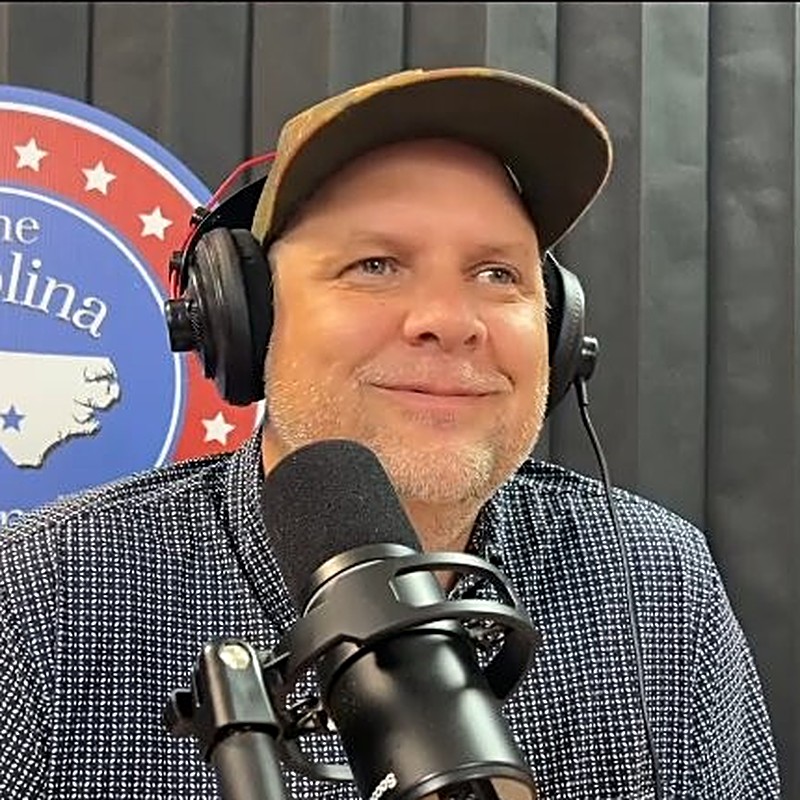
Legislative Chairman, VFW Department of North Carolina
Tanner Port is legislative chairman of the VFW Department of North Carolina. He has been a guest on The Carolina Cabinet several times. He has talked about the bipartisan effort to transfer 20 acres of Fort Bragg land for a new state veterans home, the federal ruling against Veterans Guardian and what it means for veterans filing VA claims, and his essay "The Conservative Case for Saving the VA," which argues that privatizing veterans' health care isn't the conservative position. He has also explained where veterans and Fort Bragg families can get free, accredited help with a VA claim.


